From preliminary post:
Standard conventions of a music video
Performance – Lip syncing, concert footage, choreography
Narrative – A mini-storyline, either reflecting the song’s lyrics or theme, or contrasting with the lyrics.
Technical- Fast cuts to match the beat/rhythm, close-ups of the artists, Jump cuts, crossfades and montage effects.
Genre conventions
Jazz music videos strongly emphasize live performances, and are often shot in clubs, bars or small venues. There is also a focus on the instruments, rather than the people playing them. The lighting is low and moody, with vintage colour schemes and slow-paced editing. If a narrative is included, it’s often romantic or melancholic. Costumes lean towards formal wear.
Punk music videos also heavily focus on live band performance, often in small venues, garages or other DIY show locations such as basements. There is very high energy, with jumping, moshing and chaotic movement. The editing is fast-paced, with lots of jump cuts, and there is a very raw, unpolished feel. Anti-establishment and rebellious themes are often present; authority, politics, consumerism, conformity. The artists are often portrayed as outcasts or anti-heroes.
Music videos began as promotional clips for songs or albums on television. “Video Killed the Radio Star” by The Buggles became famous for being the first video broadcast on MTV at its launch in 1981, introducing music videos to a mainstream audience. Over the past year, DIY videos focusing on authenticity rather than high-quality production have been trending. This greatly contrasts the flashy, polished look of the music videos that were trending in the previous decade.
Here are some music videos that I find inspiring.
Its important to note that most of the music videos do not belong to the jazz-punk genre, but rather were selected due to personal preference or interesting concept rather than genre considerations. I believe that in music it is important to use genre as a tool rather than allow it to tie your concept down.
Weezer’s “Buddy Holly” presents the band in an unglamourised way, contrasting the trend at the time that painted musicians starring in music videos as gorgeous superstars. The music video blends nostalgia and comedy with an 80s themed set and slightly awkward dancing and out of sync moves from the band. The entire video is shot in one location. The video also distinguishes itself from the studio version of the song by adding a “to be continued” segment before the bridge, as if we would be watching this air on television, before jumping right back into the song.
Tally Hall’s “Ruler of Everything” music video blends stop-motion clay animation with 2D digital techniques, creating a unique visual. The video follows a loose narrative, with the little clay men travelling to many places before breaking into a real-world setting towards the end of the video. It does not adhere to the standard conventions of a music video, as the viewers never once see the band or instruments or any lip-syncing or lyrics, but rather has more similarities with an experimental animated short film.
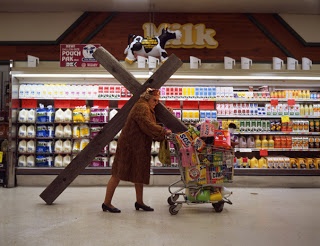
ASAP Rocky’s “Tailor Swif” is a surrealist rap music video that sneaks impossible situations into a real-world scenario. The high-budget practical effects and calmness of the singer transports the viewer into a humorous alternate dimension. The video is comprised of a series of ‘one-shot’ long clips, where the camera zooms in and out of certain strange events that happen on the beat of the song. The video also features the rapper lip-syncing and walking around or appearing in the context of the scenes.
Peggy Lee’s “Fever” music video presents a modern, pop-inspired style, with lipsyncing and soft dancing, with soft transitions and a generally cohesive cohesive, warm lighting and colour pallete throughout the video. The video does not follow a narrative, but rather focuses on visual appeal, dancing and singing, while exhibiting some traditional jazz motifs such as the scene of the man singing and tapping his foot with a dark background and a harsh overhead spotlight, imagery that is commonly found in jazz music videos.
Human Zoo’s “Wealth and Hellness” follows a confusing narrative with various locations and colour palettes, leaning into the unruly chaos of the punk genre rather than the calm of the jazz genre. The video exhibits various filters and obviously green-screened scenes, serving as intentional stylistic choices meant to rebel against traditional high-budget music videos. The video includes both scenes regarding the narrative as well as in-between scenes that follow the general conventions of a music video, showing the band playing instruments, dancing or lip-syncing.
